Dr. Nidhi Yadav
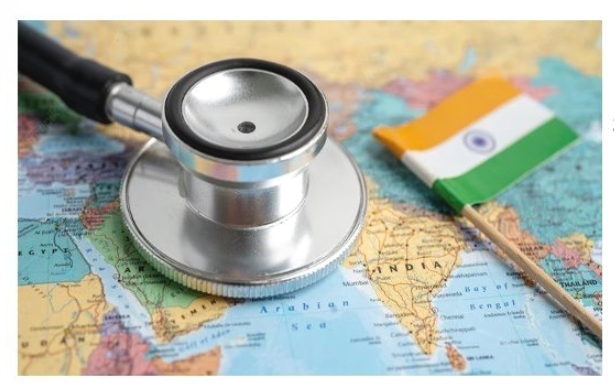
Healthcare in India is on a transformative journey, facing significant challenges but also opportunities for growth and reform. While the public healthcare system needs substantial improvements, especially in rural areas, the private healthcare sector offers high-quality care. To make healthcare more accessible and affordable for all, India needs to prioritise investments in infrastructure, healthcare workforce, insurance coverage, and preventive care. With a multifaceted approach, India can build a healthier, safer future for its population. Healthcare in India is a complex system with a blend of public and private providers, ranging from state-run hospitals to highly advanced private healthcare facilities. The country faces significant challenges but also has opportunities to make major improvements. Improving India’s healthcare system is a critical task that requires addressing key areas across the sector, from infrastructure and accessibility to quality of care and policy reforms. Here are some ways to enhance Indian healthcare, making it safer and more effective:
- Increase Government Spending on Healthcare
- Current Situation: India spends a relatively low percentage of GDP on healthcare compared to other nations. This hampers the development of infrastructure, access to quality care, and the availability of skilled services.
- Solution: The government should significantly increase healthcare expenditure to build infrastructure, access to medicines, and health services, especially in rural and underserved areas.
- Strengthen Healthcare Infrastructure
- Current Situation: While cities may have good healthcare facilities, rural areas often suffer from inadequate infrastructure, such as fewer hospitals, clinics, or trained staff.
- Solution: Invest in building more healthcare facilities in rural and underserved regions. This includes establishing primary health centres, district hospitals, and improving the supply of medical equipment.
- Enhance Healthcare Accessibility
- Current Situation: Accessibility remains a challenge, especially in remote areas. Long travel distances, poor transportation infrastructure, and limited options for affordable care hinder many from receiving timely healthcare.
- Solution: Improve transportation networks and telemedicine services. Establish mobile health units and strengthen public-private partnerships to make healthcare accessible in underserved areas.
- Increase Focus on Preventive Healthcare
- Current Situation: Preventive care is often sidelined in favor of curative treatments, leading to higher healthcare costs and the spread of preventable diseases.
- Solution: Emphasize public health campaigns focused on vaccination, sanitation, nutrition, and lifestyle management. Government programs could promote awareness of the importance of early diagnosis and preventive care.
- Improve Healthcare Workforce Training
- Current Situation: There is a shortage of skilled healthcare professionals, particularly in rural areas. This creates disparities in the quality of care provided.
- Solution: Increase investments in medical education and training programs. Offer incentives to healthcare professionals to work in rural areas, and set up telemedicine facilities to enable local practitioners to consult with specialists.
- Improve Quality of Care and Safety Standards
- Current Situation: The quality of healthcare in India can vary significantly, with some facilities lacking modern equipment and poor hygiene standards.
- Solution: Introduce strict healthcare quality and safety standards and regularly audit healthcare institutions. Improve training programs on infection control, medical procedures, and patient safety.
- Promote Digital Healthcare Solutions
- Current Situation: Digital health is underutilized in India, limiting its potential to enhance healthcare delivery.
- Solution: The government should promote e-health, telemedicine, and digital health records across the country. Digital policies can help streamline patient care, reduce waiting times, and ensure continuity of care.
- Strengthen Health Insurance Coverage
- Current Situation: A large percentage of the population does not have access to health insurance, which prevents them from affording critical care.
- Solution: Expand coverage of government health schemes like Ayushman Bharat and promote the adoption of health insurance by both public and private insurers. This will reduce the financial burden on individuals when they need healthcare services.
- Ensure Equitable Distribution of Healthcare Resources
- Current Situation: There is a significant disparity in healthcare access between urban and rural areas, as well as across different income groups.
- Solution: Develop policies that ensure an equitable distribution of healthcare resources such as medical staff, medicines, and healthcare infrastructure. This could include targeted investments in rural and underserved areas.
- Strengthen Healthcare Research and Development (R&D)
- Current Situation: While India has made strides in medical research, there’s still a need for more focus on innovation, especially on diseases prevalent in the country.
- Solution: Increase funding and set incentives for healthcare research and local innovations. Promote collaboration between universities, private companies, and the government to foster research in public health challenges specific to India.
- Public Awareness and Education
- Current Situation: Public awareness of health issues is often low, and many people resort to traditional or unscientific treatments.
- Solution: Launch public health campaigns to educate citizens on hygiene, sanitation, diet, lifestyle choices, mental health, and the importance of regular medical checkups. This will help reduce the prevalence of preventable diseases.
- Improve Governance and Transparency
- Current Situation: Corruption and inefficiency within the healthcare sector can lead to a lack of trust and misallocation of resources.
- Solution: Improve governance by establishing transparent systems for procurement, distribution of healthcare resources, and service delivery. Implement stronger accountability measures for both private and public health organizations.
- Collaborate with International Health Organizations
- Current Situation: India can benefit from global expertise and resources in tackling public health challenges.
- Solution: Strengthen collaboration with global health organizations like the World Health Organization (WHO), and NGOs to adopt best practices, secure international funding, and address global health challenges like pandemics.
Conclusion
Improving healthcare in India is a multifaceted process that requires efforts from the government, healthcare professionals, the private sector, and the public. A comprehensive approach, focused on increasing accessibility, affordability, quality, and preventive measures, can create a safer, healthier India for all.
(The writer is an Associate Professor, and Mr. Nikhil Yadav, Ms. Ritika Thakaliya have contributed to the preparation of this article)